發展心理學筆記-L10
L10 Becoming an Adult: Physical, Cognitive, and Personality Development in Young Adulthood
Emerging Adulthood
Definition
- True adulthood
- 民法成年年齡
18 歲
- 民法成年年齡
- Emerging adulthood
- the period between late-teens and mid- to late-20s when individuals are not adolescents but are not yet fully adults
- 探索職業、自我認同
Role Transitions
- Rites (儀式) of passage
- Rituals marking initiation into adulthood
- Especially common in developing countries
- Involve special dress; sometimes involve religion
- marriage is most important in most cultures
- Rituals marking initiation into adulthood
- Role transitions
- 承擔責任
- 投票、結婚、工作…
Behavioral Change
減少有風險的行為
- Less risky
- decrease their engagement in risky behaviors/edgework
- Prefrontal cortex 前額葉皮層
mid-20’完全開發
- Poverty
- 風險行為與貧困有關聯
Behavioral Changes & Erikson’s theo
- intimacy vs. isolation
- Having a self-identity allows a young person to become intimate with another
- Conflicting evidence
- 該理論只有部分正確
Financial Independence
- 不上大學的年輕人經常比其他人更早就變得獨立
- 獨居會加速獨立的過程
- 推遲經濟獨立
- 大學畢業後搬回家居住的比例增加
Physical Development and Health
Growth, Strength, and Physical Functioning Peak
各種能力的巔峰
- 體力,協調和敏捷 - late 20s ~ early 30s
- 感官敏銳度 - early 20s
- 視力 - remains high until middle age
- 聽力 - decline by the late-20s, especially for high-pitched tones
Lifestyle Factors
- smoking
- drink alcohol
- nutrition
Social, Gender, and Ethnic Issues in Health
- 社會經濟地位
- 是否擁有良好的保險和醫療保健
- 教育
- 健康的生活方式並避免疾病
- 教育不會造成良好的健康,但是受過教育的人了解如何更好地照顧自己的健康
- 性別差異
- ex: 某些文化中的婦女不允許獨自去診所
Cognitive Development
Intelligence in Adults
- Multidimensionality 多維性
- 擁有多種類型的智力能力
- Multidirectionality 多向性
- 智力的某些面向成長了,某些面向則下降
- 每個人在不同面向的能力也不同 -
interindividual variability 個體差異
- Plasticity 可塑性
- 能力可以在任何時間點在正確的條件下改變
Primary and Secondary Mental Abilities
- Primary mental abilities
- 相關的智力技能
- ex: 記憶力、空間能力
- Seattle Longitudinal Study: 言語含義、空間取向、歸納推理、數字和單詞流利度
- 相關的智力技能
- Secondary mental abilities
- 將
Primary mental abilities歸納整合成六大類
- 將
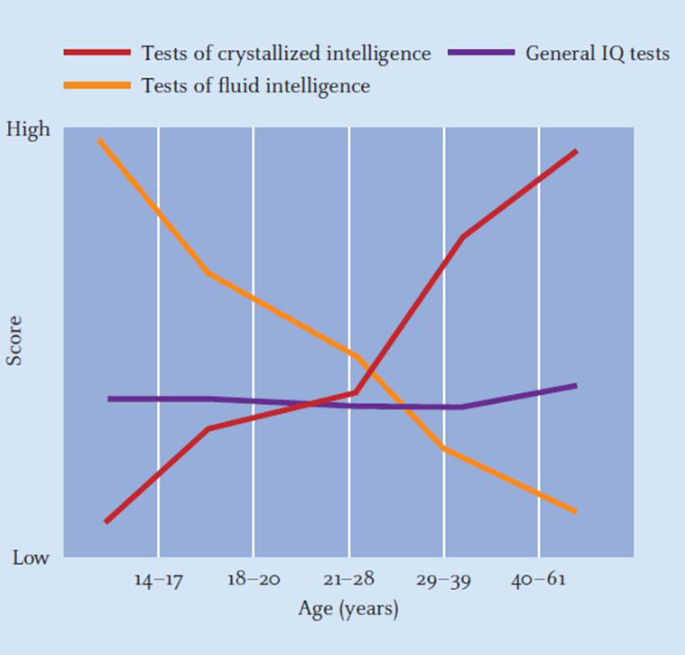
Fluid and Crystallized Intelligence
Fluid intelligence 液態智力- 邏輯推理與抽象思考的能力
- 年輕時達到巔峰,隨年齡逐漸下降
Crystallized intelligenc 結晶智力- 透過學習與經驗所累積的知識與技能
- 隨年齡逐漸累績上升
Neuroscience Research
- 大腦內部的特殊區域與智力能力有關,這些區域的發展變化與能力變化有關
- Parietofrontal integration theory (P-FIT)
- 智力來自於分布在
頂葉與額葉 (parietal and frontal lobes)的神經網路之整合運作 - 個體之間在大腦結構與功能上的差異,造成了智力上的差異
- 智力來自於分布在
Reflective judgment
King and Kitchener. (1994). The Reflective Judgment Model
The Reflective Judgment Model
Stages 1-3: prereflective thought 前反思思維
- 不認為知識有不確定性
- 認為每個問題都有正確的答案
Stages 4-5: quasi-reflective thinking 類反思思維
- 認為知識是主觀的
- 真理是相對的,是每個人的意見
Stages 6-7: true reflective judgme 反思思維
- 評估問題時,會結合證據與論證進行分析
真理取決於證據與推論證的品質
Who Do You Want to Be? Personality in Young Adulthood Family Relationships
Possible Selves
- representations of what we could become, what we would like to become, and what we are afraid of becoming
- 可能的類別: 家庭、個人、物質、人際關係和職業
- Age differences in hoped-for selves
- Young adults (20s) concerned with family (與婚姻相關)
- Adults in their 30s concerned with personal issues (自我成長)
- Family issues the focus again in ages 40-59
- 放孩子自由
- 接受中年的生理變化
- Personal concerns more prominent for 60+ (健康問題)
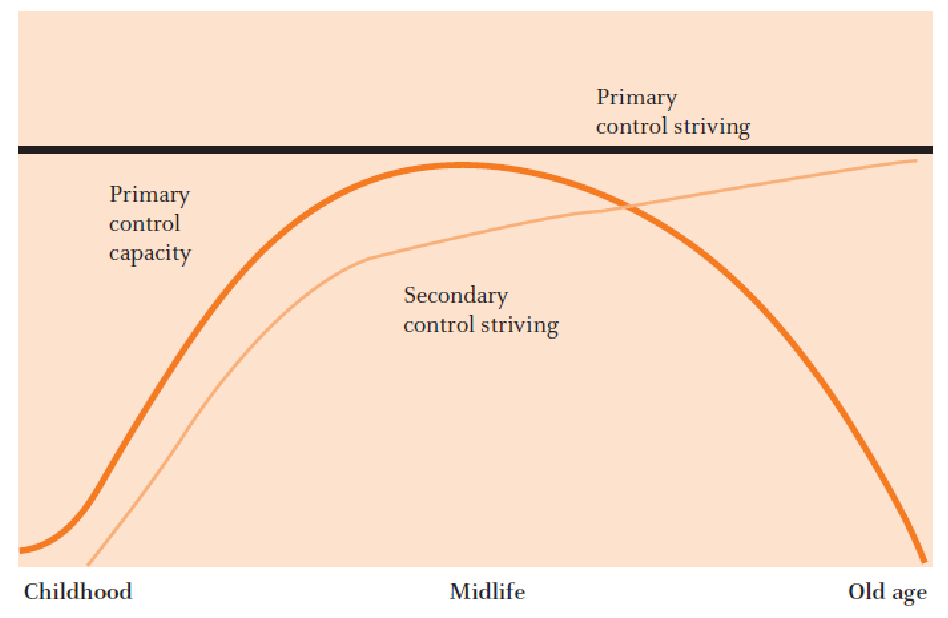
Personal Control Beliefs
一個人對於自己能否控制生活事件與結果的信念與期待
- 成功的人通常擁有較高的
sense of personal control personal control的發展,會依情境背景而有所不同- 分類
- Primary control
- 透過行為來改變外在世界
- 與
生物性(biological factors)有較大關聯 (老年時期會衰減) - ex: 獲取第二份工作以增加收入
- Secondary control
- 改變內在的認知或行為來適應外在情況
- ex: 認為即使面臨挑戰,也能夠成功的信念
- Primary control