電腦安全-L4
Access Control Principles
Access Control Context
Authentication(認證): 驗證使用者或系統憑證的有效性Authorization(授權): 授予系統實體存取資源的權利或許可Audit(稽核): 獨立審查系統記錄與活動
Access Control Policies
- Discretionary access control (DAC)
- 基於請求者的身分 (
identity) - 由
rules決定使用者的操作是否被允許 Discretionary(自主): 某個實體可以把自己的存取權限授予其他實體
- 基於請求者的身分 (
- Mandatory access control (MAC)
- 基於系統實體的安全等級 (
security clearances) - 存取由資源
security label決定 mandatory(強制): 無法將權限轉移給其他實體
- 基於系統實體的安全等級 (
- Role-based access control (RBAC)
- 基於使用者的角色 (
role) - 存取由
role允許的權限決定
- 基於使用者的角色 (
- Attribute-based access control (ABAC)
- 基於:
- 使用者屬性 (
attributes) - 存取的資源
- 環境條件
- 使用者屬性 (
- 基於:
Subjects, Objects, and Access Rights
Basic Elements
Subject: 能夠存取物件的實體- Owner
- Group
- World (All users)
Object: 被存取控制的資源Access Rights: 描述 Subject 如何存取 Object- Read, Write, Execute
- Delete
- Create
- Search
Discretionary Access Control
General approach
Access matrix- Subjects vs. Objects
- Each entry: access right
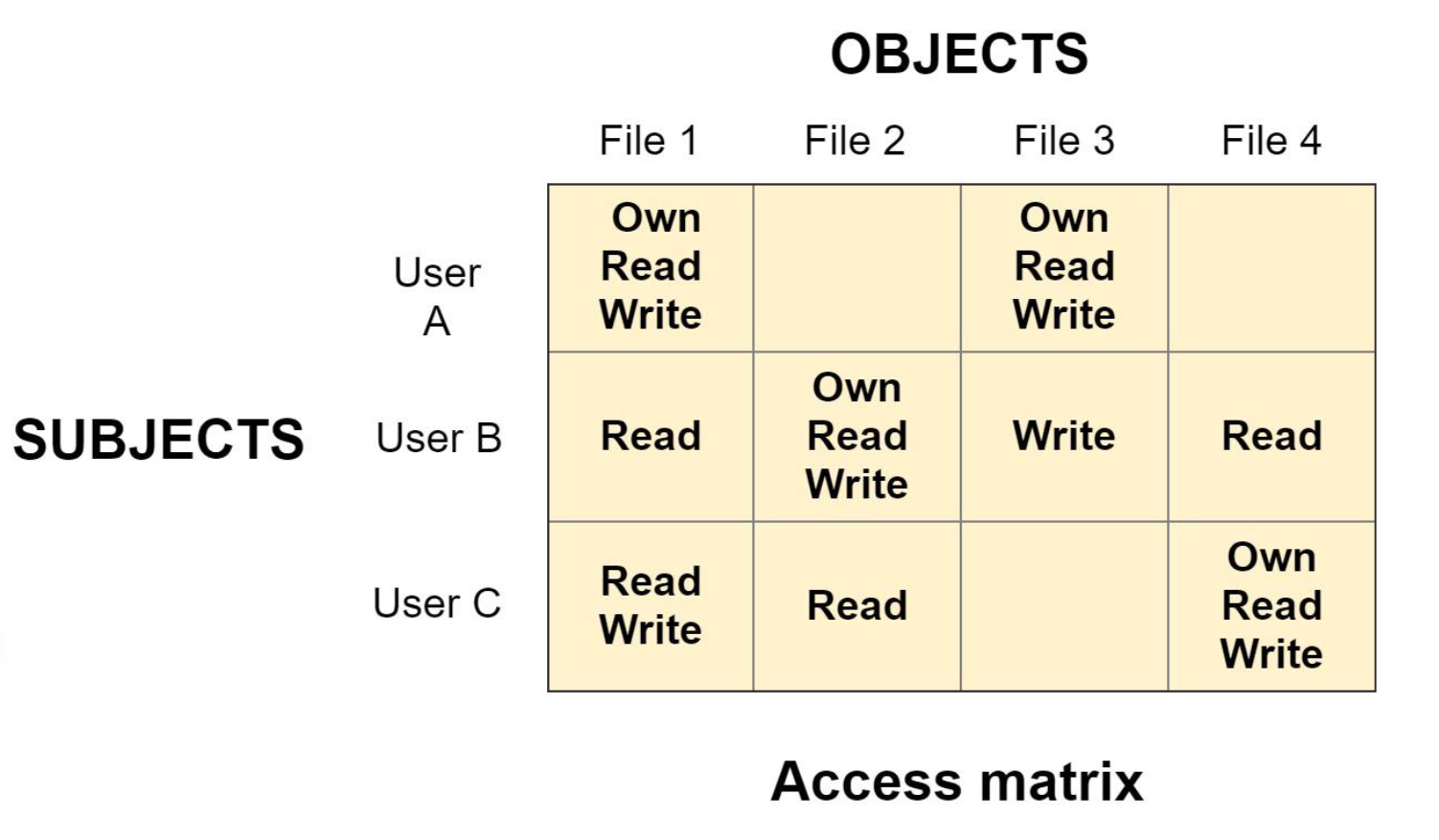
- 實務上,Access Matrix 通常是稀疏 (
sparse) 的
Decomposition Method I
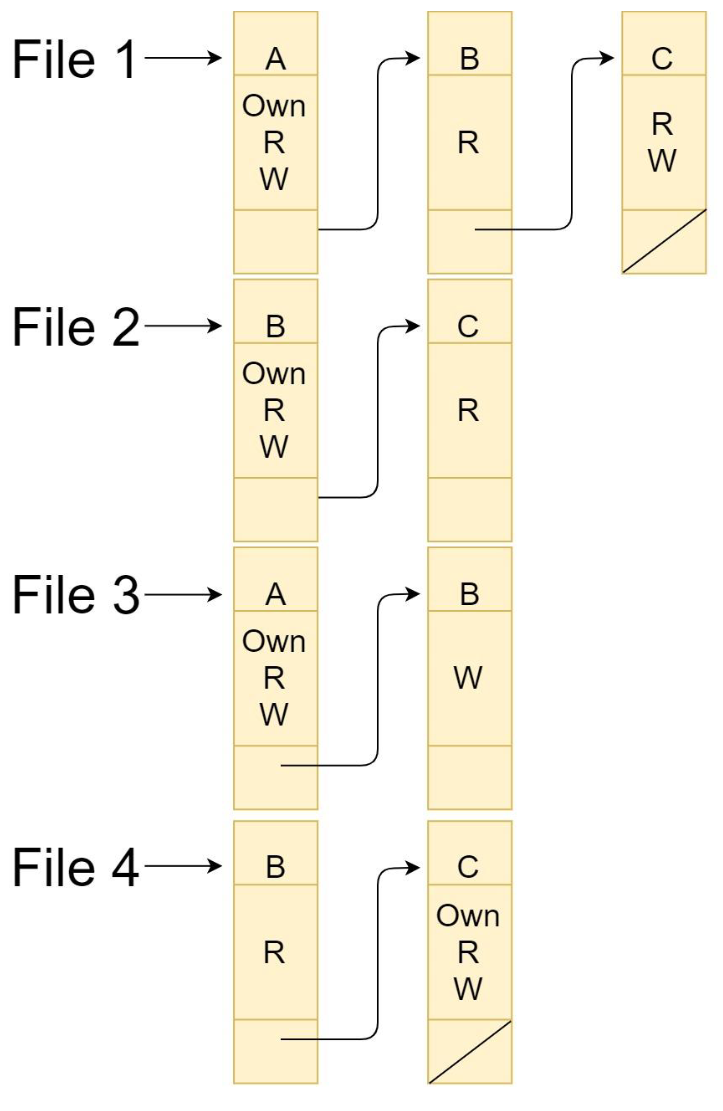
Access control lists (ACL): decomposed by columns (objects)- 對於每個 objects,列出哪些 user 擁有哪些權限
- 對於沒列出的 user 套用 Default set of rights (預設權限)
- 優點: 容易知道誰可以存取這個資源
- 缺點: 不容易知道某個 user 有哪些權限
Decomposition Method II
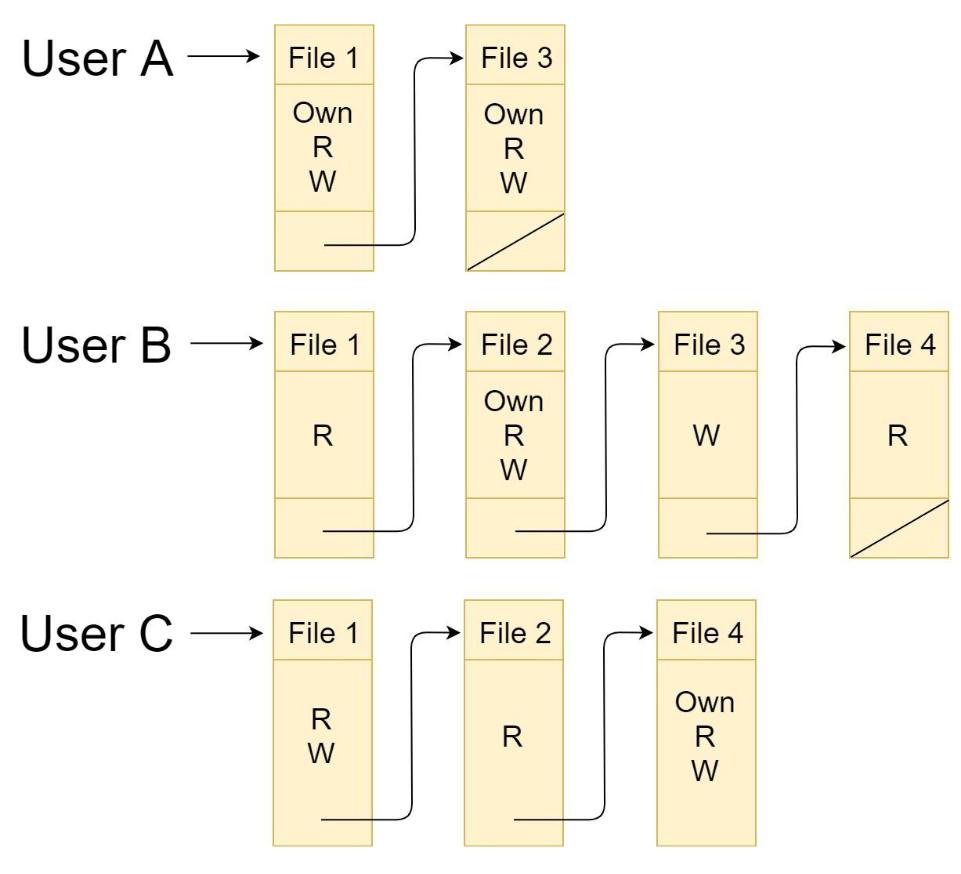
Capability tickets: decomposed by rows (subjects)- 每個 capability ticket 描述: user 可存取的 object 與可執行的操作
- 優缺點與
ACL相反 - 有較大的安全問題:
ticket 可能散落在系統各處- 必須保護 ticket 的
Integrity,不可偽造 (unforgeable)
- 必須保護 ticket 的
Another Approach
Authorization Table[SAND94]- 不是稀疏表示,並且相較
Decomposition Method更方便 - 容易使用
relational database實作 - 缺點: 空間可能較大、查詢效率較低
More Flexible Model: Protection Domains
- 一組 objects 擁有相同的 access rights
- access matrix 中一列為一個 protection domain
- 每個 user 有一個 protection domain,該 user 建立的 processes 會繼承這些權限
Least privilege: 每個 process/user 應該只擁有完成任務所需的最小權限- 改進: user 產生 process 時,只給 subset 權限
- 一種實作: OS 模式切換
UNIX: User mode/Kernel mode
Example: Unix File Access Control
- UNIX 檔案使用
inode(index node) 管理- 多個檔名可以對應到同一個 inode
- 與檔案為 1-1 關係
- 儲存檔案的:
- 屬性 (attributes)
- 權限 (permissions)
- 控制資訊 (control info)
- 磁碟上有一個 inode table (inode list) 存所有檔案的 inode
- 當檔案被打開時 inode 會被載入記憶體
- Directories (目錄) 為一樹狀結構
- 可能包含檔案或是子目錄
- 本身也是一個檔案: 包含檔名 + 指向 inode 的指標
Traditional UNIX File Access Control
- UNIX user: 有唯一的
user ID- 屬於一個 primary group 或 other groups
- group 有自己的
group ID
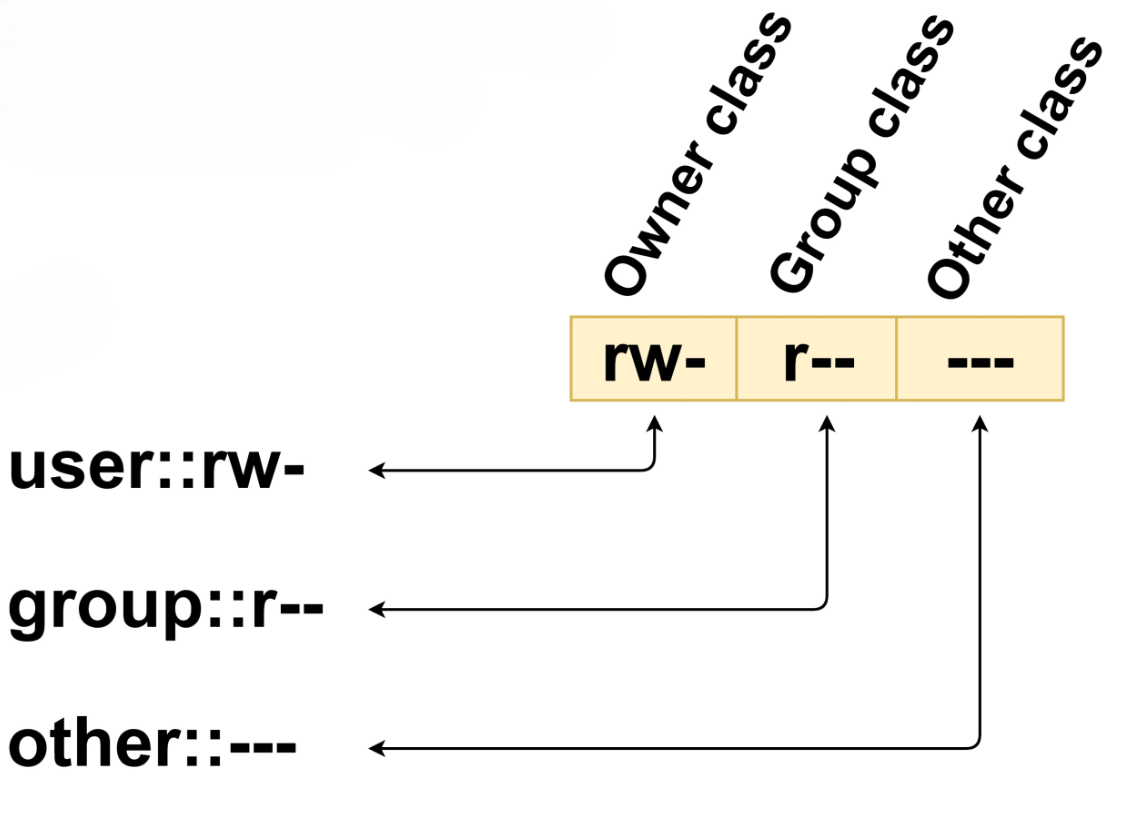
- 每個 file/directory 有 12
protection bits- 前 9 bits: read, write, execute
- 後 3 bits: setUID, setGID, and sticky
SetUID/SetGID bits
- Effective user ID/Effective group ID
- 讓使用者暫時擁有 owner/group 的權限
- 對 executable file:
- 只在程式執行期間有效
- 允許普通使用者執行需要高權限的操作
- ex: ping command need access to networking privileges
- 對 directory:
- SetGID: 新建立的檔案會繼承該 directory 的 group
- SetUID: 忽略
- 可能產生安全風險
Sticky bit
- Files: 執行後將內容保留在記憶體 (現已棄用)
- Directories: 僅 owner 可以對目錄內的檔案進行 rename, move, or delete
- 用於管理共享暫存目錄
Issues
- 考慮以下情況:
- File X: A, B 可讀
- File Y: B, C 可讀
- 則需要至少兩個 user groups
- 如果有很多這種組合,則會需要大量的 groups
- 造成不可擴展、難以管理
Modern UNIX Access Control
-
被許多 UNIX 系統支援:
- FreeBSD
- OpenBSD
- Linux
- Solaris
-
Extended ACLvs. minimal ACL (traditional) -
FreeBSD:
-
一個檔案可以指定任意
多個 user/group- 每個都有 3 protection bits
-
可以不用 ACL: protected solely by traditional access control
-
用一個額外的 protection bit: 是否使用
extended ACL -
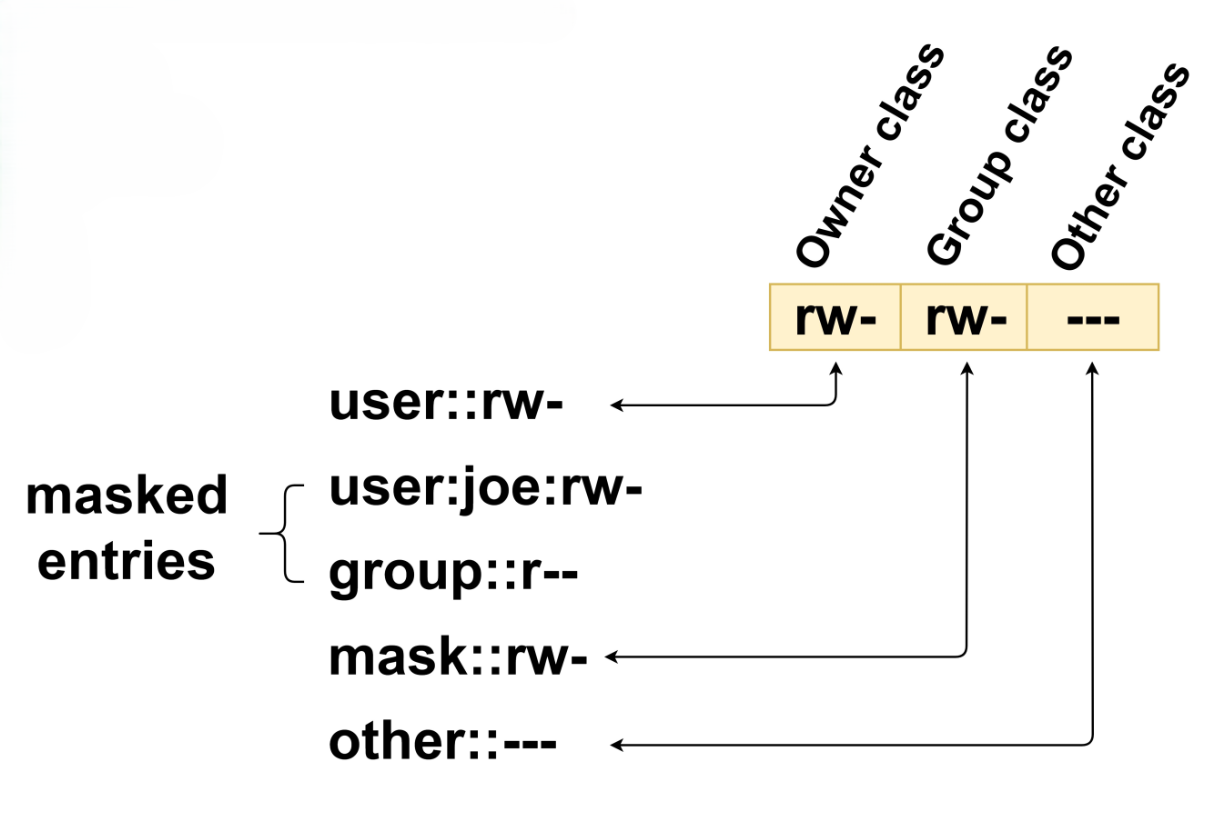
Extended ACLs- owner/other 類別維持不變
Group class改為mask的功能:最大權限限制- 可以新增額外的
named users/groups: 各有 3-bit permission field - 最終的
effective=named users/groupsGroup class (mask)
Role-Based Access Control
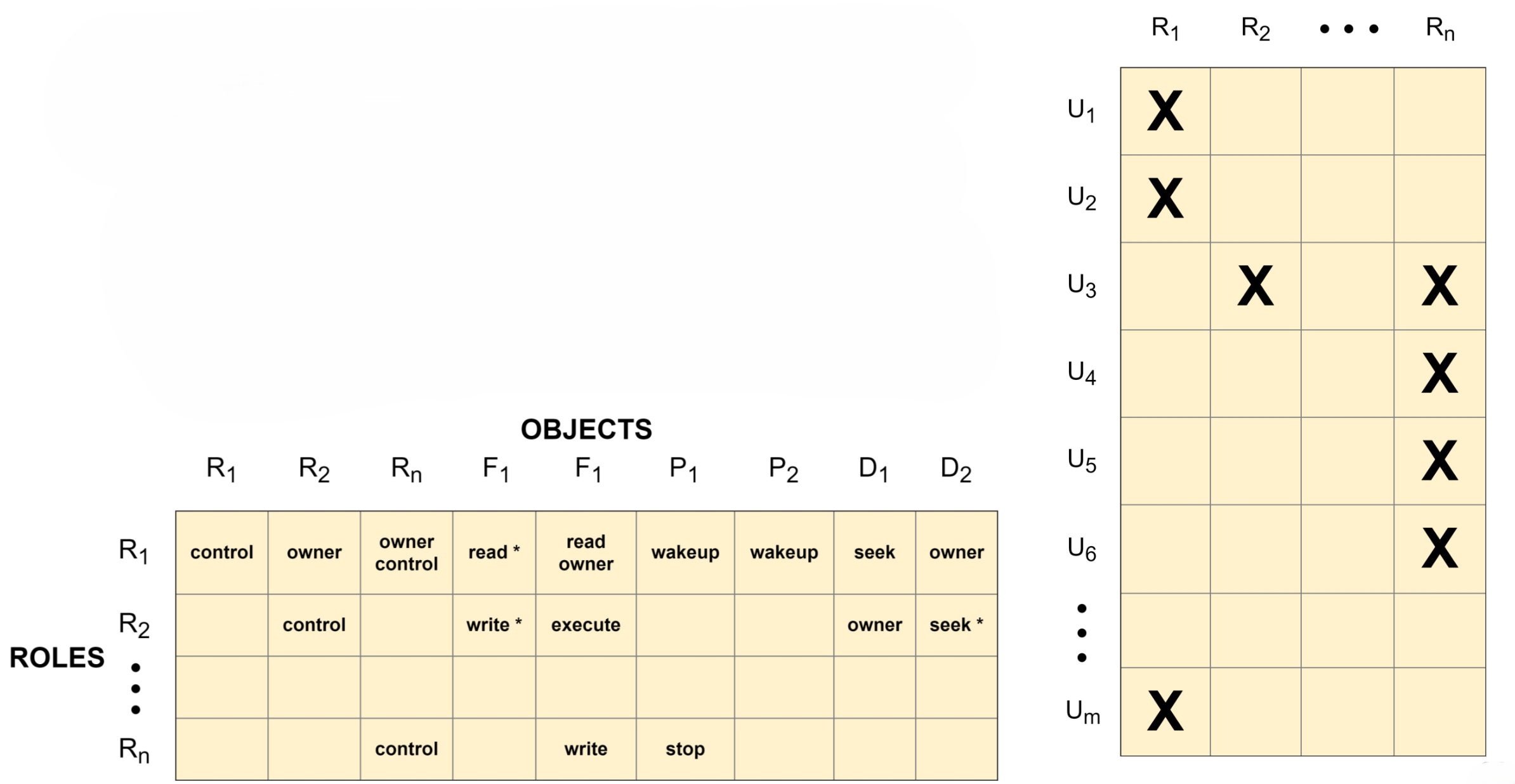
- 基於 user 的 roles 來決定權限
- Many-to-many:
- users to roles
- roles to resources
- 遵守
least privilege- 每個 role 只包含該角色需要的最小權限
- user 被指派 role,只能執行該角色允許的操作
RBAC Reference Models
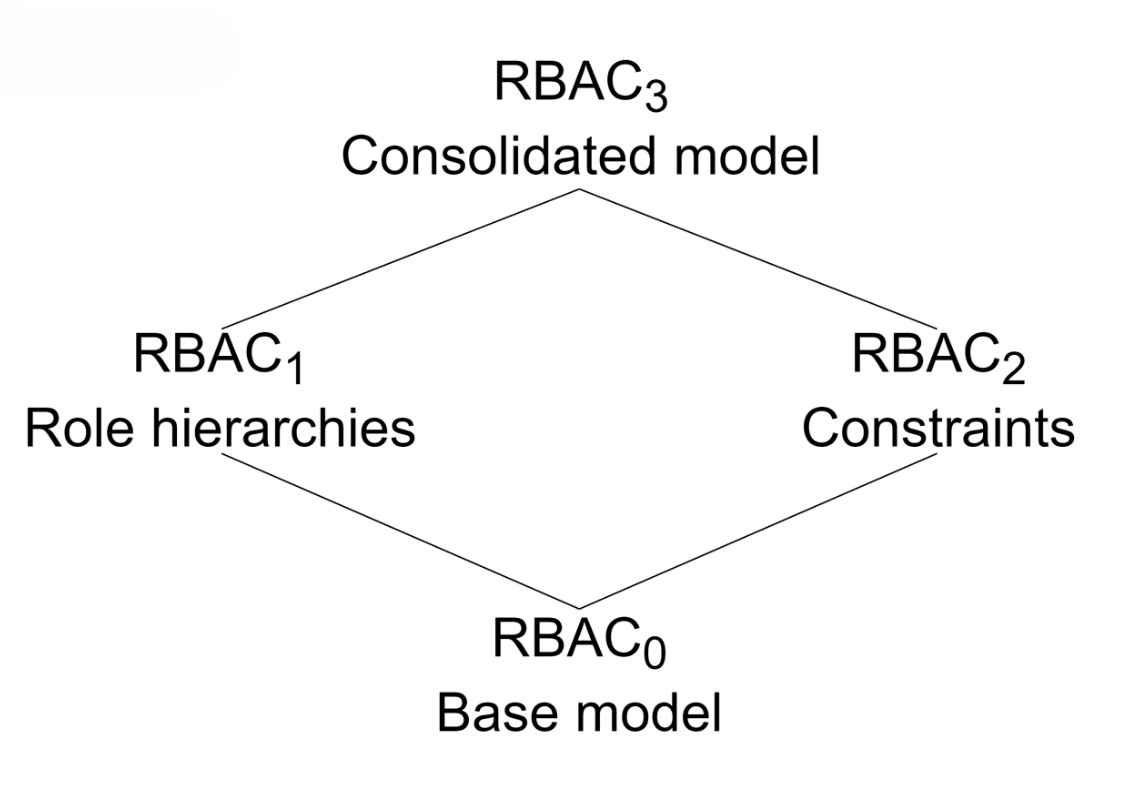
- A family of reference models have been defined as the basis for ongoing standardization efforts [SAND96]
- : minimum functionality
- : + role hierarchies
- : + constrains
- : + +
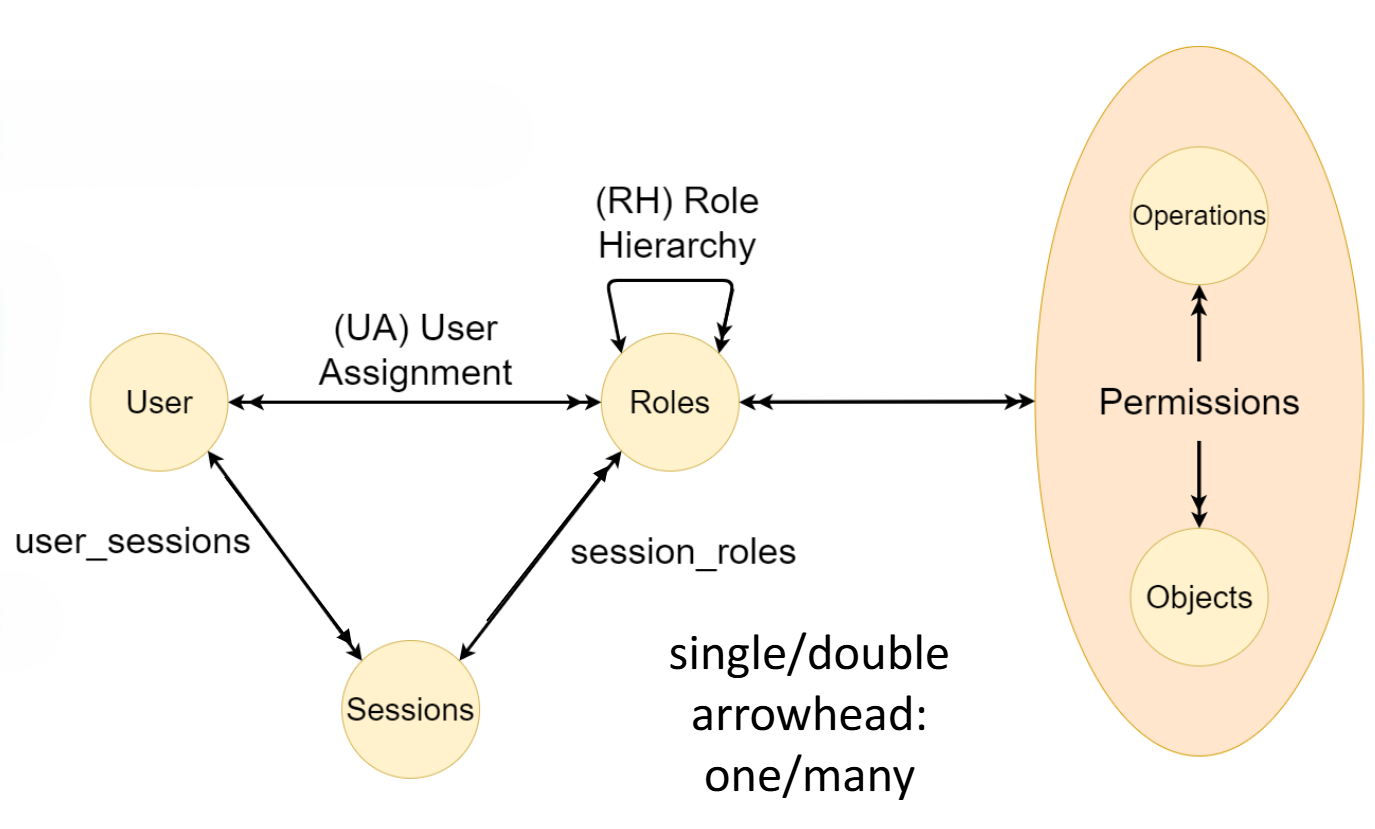
: Base Model
User: 一個能存取系統的個體,有唯一的 user IDRole: 一個具名的工作職責/權限等級Permission: 對某個 object 的某種操作的授權Session: mapping user 與其被指派的 roles 集合
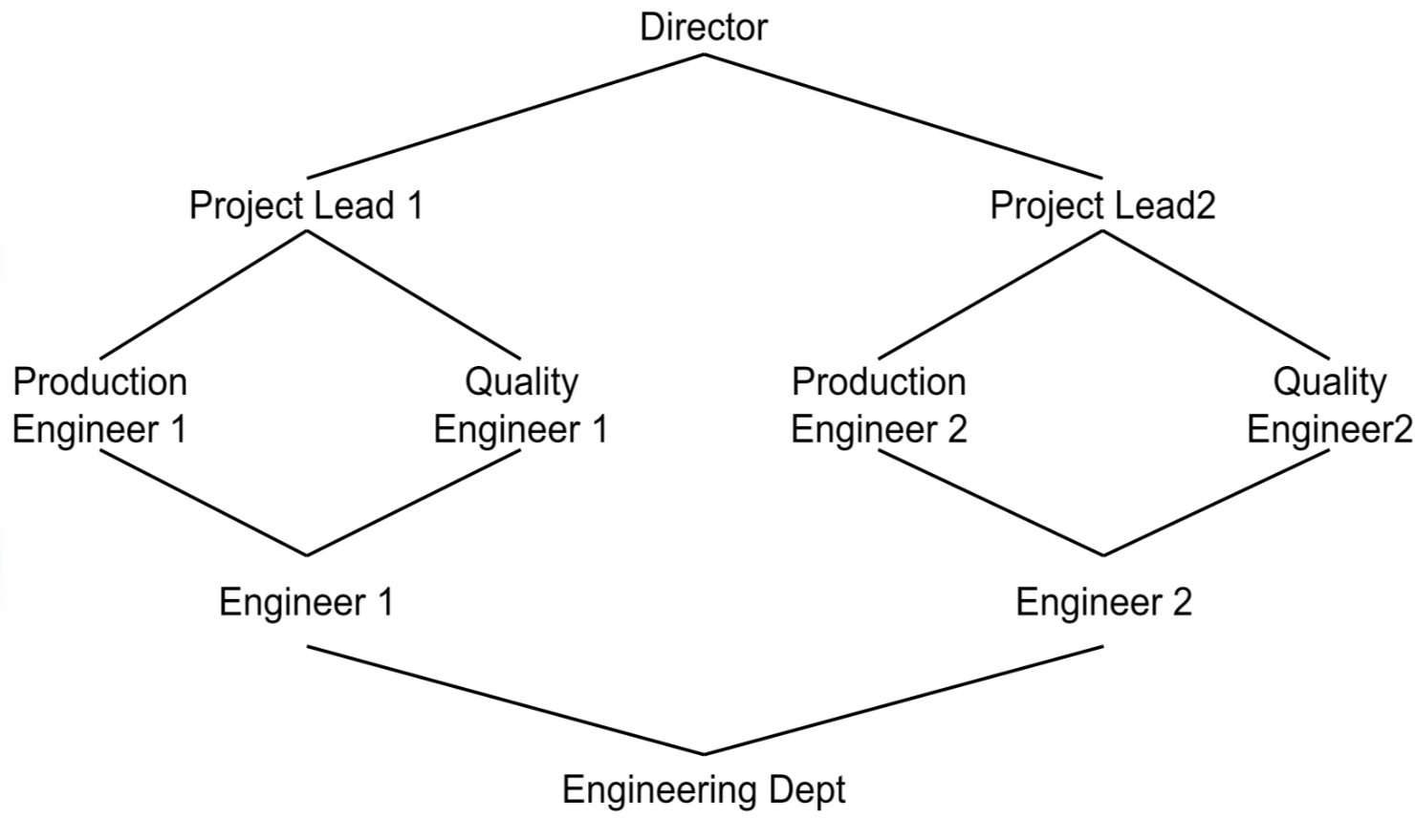
: Role Hierarchies
- 責任較大的 role 擁有更高的存取權限
- 較低階 role 的權限為其子集
: Constraints
- 用來讓 RBAC 符合實際組織的管理與安全政策
Mutually exclusive roles:- 一個 user 只能擁有其中一個 role
- 某些 permission 只能屬於其中一個 role
- 不同 role 的 permission 不能重疊
Cardinality:- 限制某個 role 最多可以有多少 user
Prerequisite role:- user 必須先有某個 role,才能被指派另一個 role
Attribute-Based Access Control
-
定義授權時,會使用 resource 和 subject 的屬性
-
優點: Strength
flexibilityandexpressive power -
缺點: 每次存取都要評估 resource 和 subject,造成
performance impact- 在 Web service/cloud computing 中成本通常可以接受
-
Distinguishable- 對不同 attribute 組合做出不同 decision
- 能夠實現 DAC, RMAC, and MAC concepts
- Fine-grained access control: 可以組合任意多個屬性來定義規則
Attribute
Subjectattributes- Subject 為
activeentity: 會觸發資訊流或改變系統狀態 - Attributes 描述其身分、特徵
- ex: name, organization, job title
- Subject 為
Objectattributes- Object 為
passiveentity: 儲存或接收資訊 - Attributes 用於存取決策
- ex: file name, file size, creator
- Object 為
Environmentattributes- 存取發生時的情境
- ex: current date, time, network type, etc.
- 傳統 access control 通常忽略這類屬性
- 存取發生時的情境
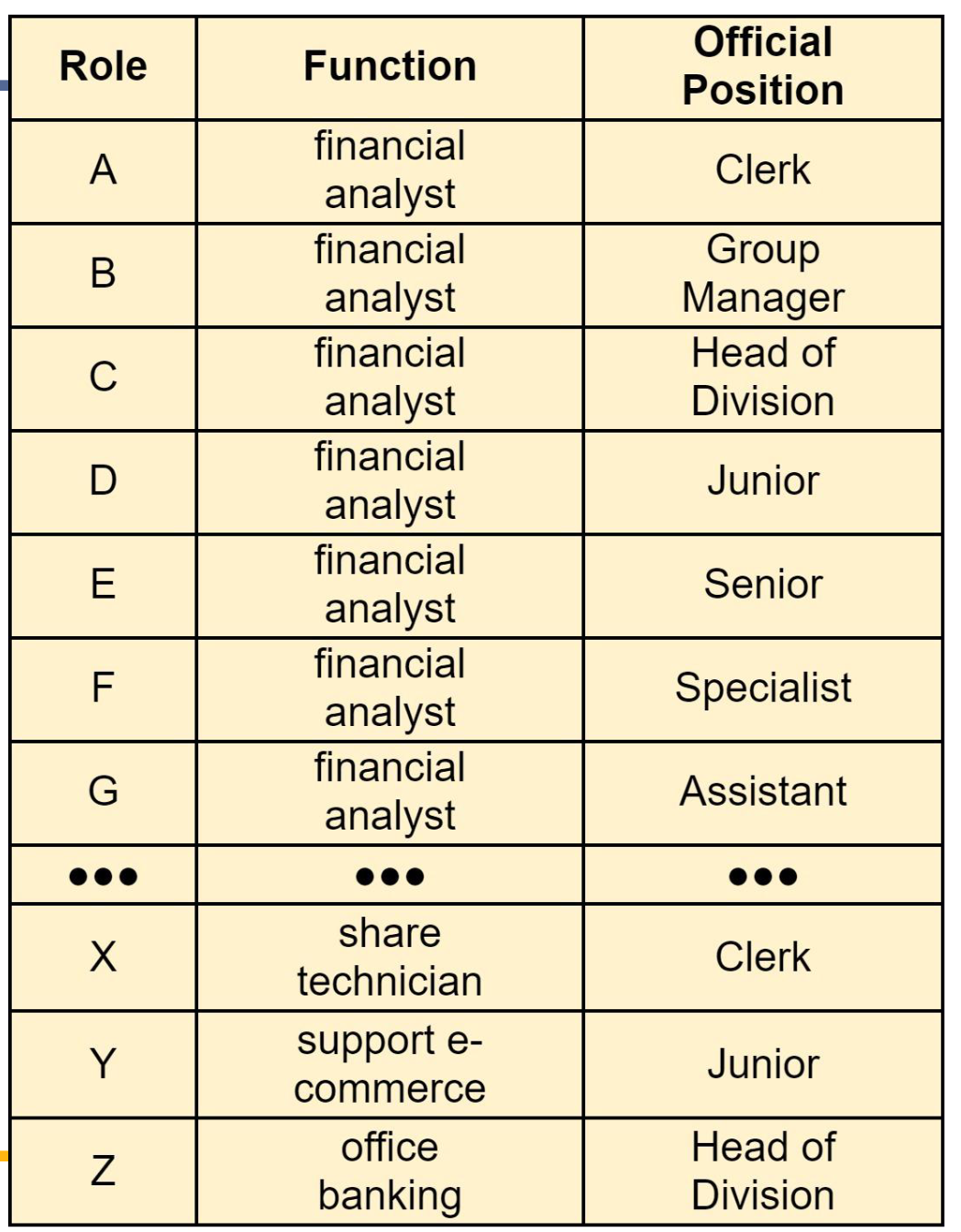
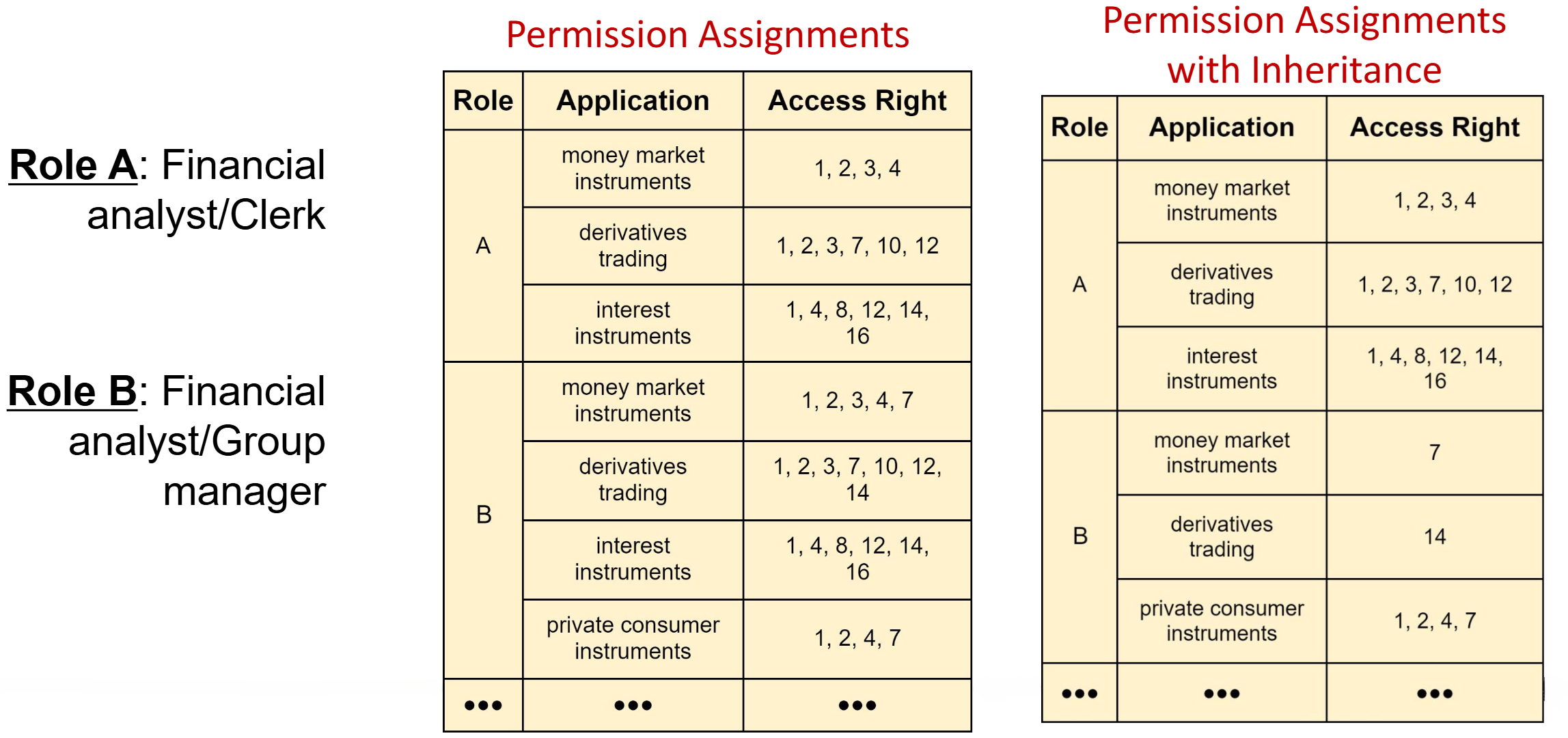
Case Study: RBAC System for a Bank